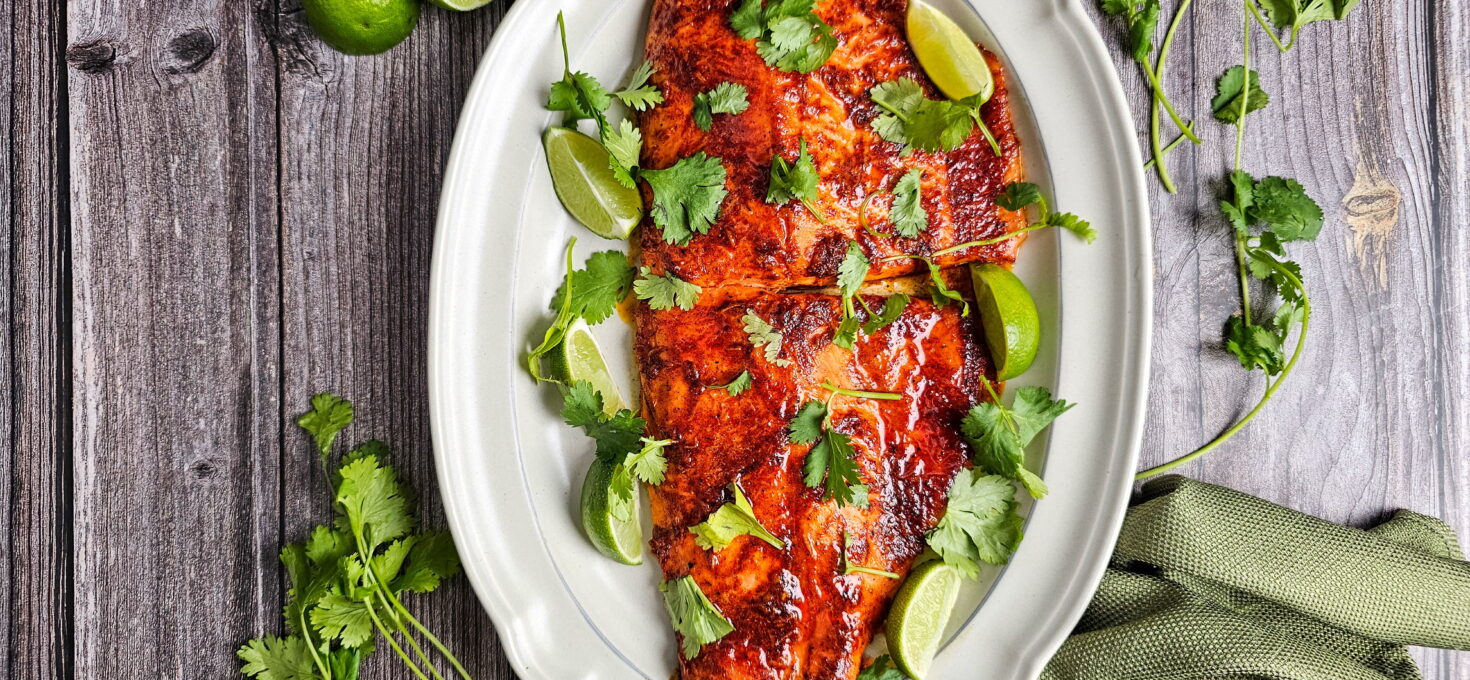
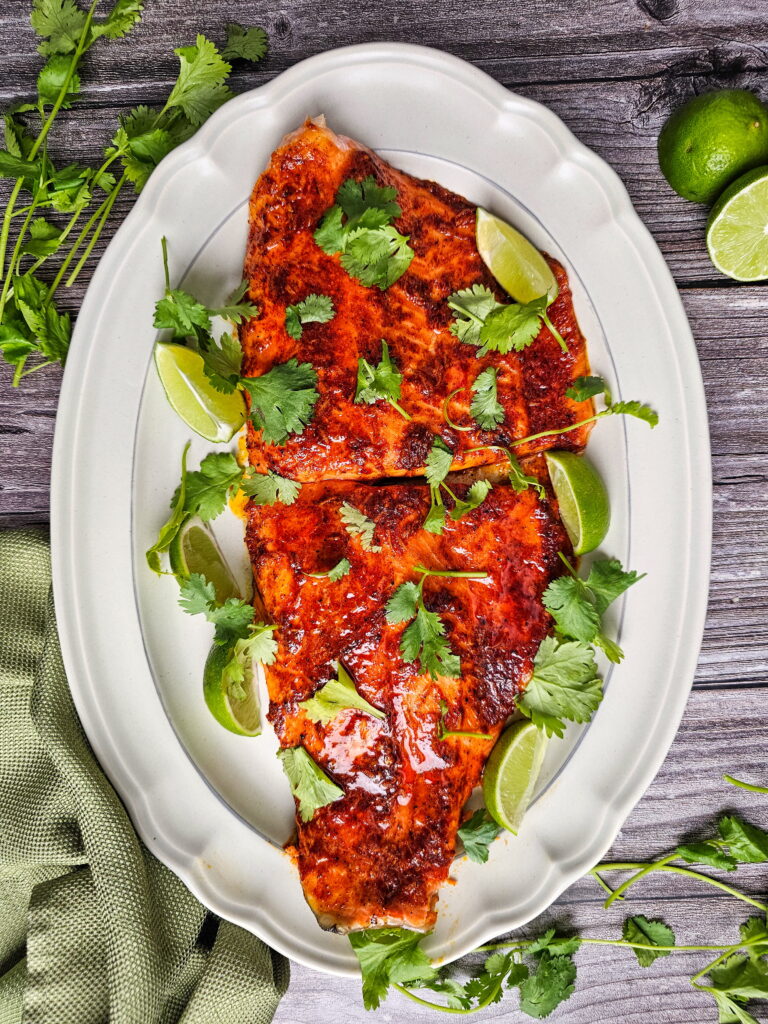
This chili lime baked trout is the fastest, most flavorful weeknight fish dinner I know. Juicy trout fillets glazed with honey, butter, smoked paprika, and fresh lime — then finished under the broiler until the edges caramelize. Twenty minutes, one pan, and it tastes like something you’d pay restaurant prices for.
I started making this on busy weeknights when salmon prices crept up, and trout was sitting right next to it at half the cost. The first time I made it, I used a basic squeeze of lime and called it done — fine, but forgettable. The version below came out of a handful of test batches where I kept asking what was missing. Fresh garlic instead of powder was the first fix. Smoked paprika alongside the chili powder was the second. The real breakthrough was the last two minutes under the broiler, which I almost skipped the first time because I was hungry and impatient. I am glad I didn’t, because that’s the step that turns a good glaze into one that actually caramelizes and clings to the fish instead of just sitting on top of it.
This is a 20-minute dinner, but it doesn’t taste like one. Beyond the flavor, trout is one of the most nutritious fish you can put on a weeknight table. It’s an excellent source of omega-3 fatty acids, high-quality protein, and B vitamins — and because it’s a leaner fish than salmon, it tends to be gentler on digestion too.
Why This Chili Lime Trout Works
Fresh garlic over powder. Garlic powder is convenient, but it flattens out in the oven. Fresh minced garlic stays bright and a little sharp even after baking, which keeps the glaze from tasting one-note sweet.
Smoked paprika does the heavy lifting. Regular chili powder gives you warmth, but smoked paprika is what makes this taste like it spent time over a grill instead of in a 400°F oven. It’s a small addition that changes the whole flavor profile.
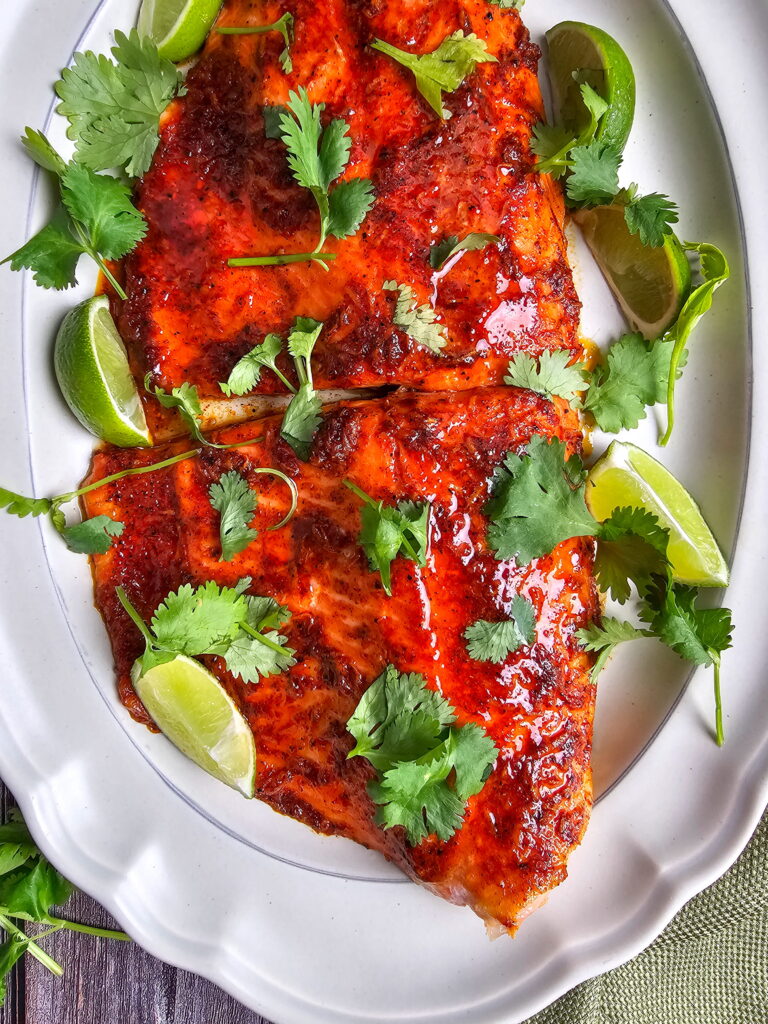
The broiler finish is non-negotiable. Baking alone gives you a fully cooked, well-seasoned fillet. One to two minutes under the broiler at the end is what turns the honey-butter glaze into something glossy and slightly caramelized at the edges — visually and texturally, it’s the difference between home-cooked and restaurant-plated.
Honey and butter, not just oil. A lot of chili-lime fish recipes stick to oil and citrus. Adding honey and melted butter gives the glaze body, so it actually coats the fish instead of running off into the pan.
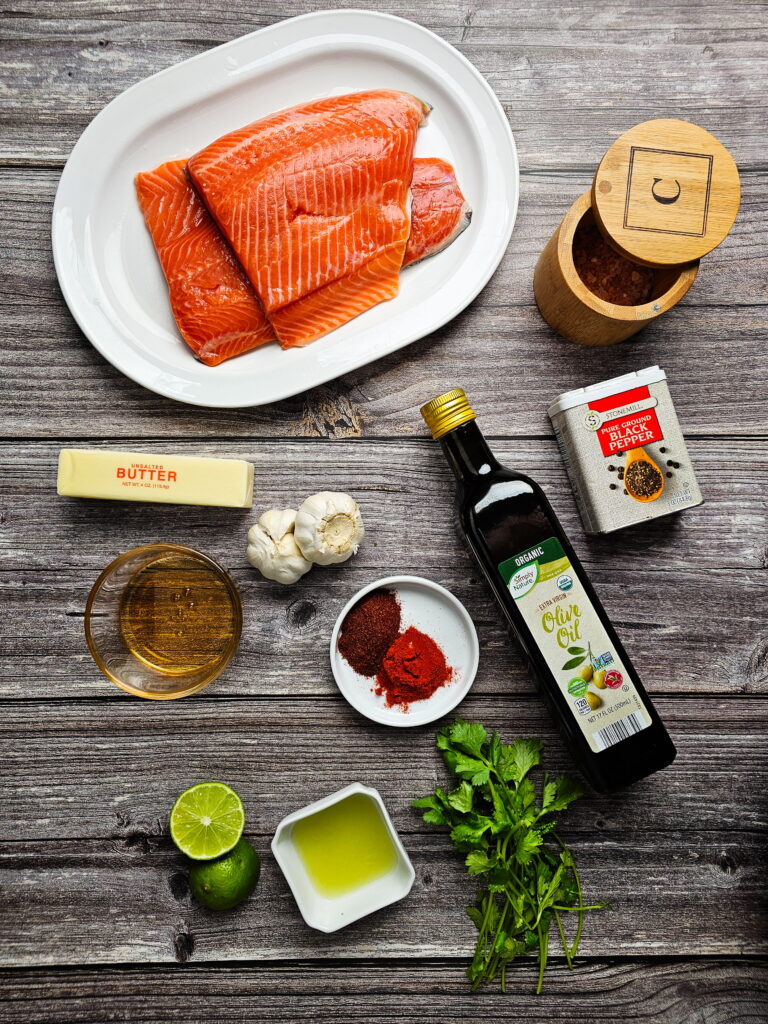
Ingredients
For the trout:
- 4 trout fillets (6–8 oz each), skin-on or skinless
- 2 tbsp olive oil
- 1–2 tsp honey
- 2 tbsp fresh lime juice (about 1 lime)
- Zest of 1 lime
- 1 clove garlic, minced
- 1 tsp chili powder
- ½ tsp smoked paprika
- ¼ tsp cayenne pepper (optional)
- 1 tsp kosher salt
- ½ tsp black pepper
- 1 tbsp melted butter (optional, for richness)
For garnish:
- Fresh cilantro, chopped
- Lime wedges
Ingredient Notes
Trout vs. salmon: Trout has a milder flavor and a more delicate flake than salmon, and it’s typically the more budget-friendly option of the two. If you can only find salmon, it works as a direct swap — just expect a slightly richer, fattier result.
Honey is doing more than sweetening. It’s what gives the glaze its slight stickiness once it hits the broiler. If you skip it, the glaze stays thin and runny.
Cayenne is genuinely optional. Without it, this reads as warm and smoky rather than spicy. With it, you get real heat. Taste your chili powder first — some brands run hotter than others — before deciding how much cayenne to add.
How to Make Chili Lime Trout
Time needed: 45 minutes
- Preheat and prep
Preheat your oven to 400°F (200°C). Line a baking sheet with foil or parchment paper.
- Mix the marinade
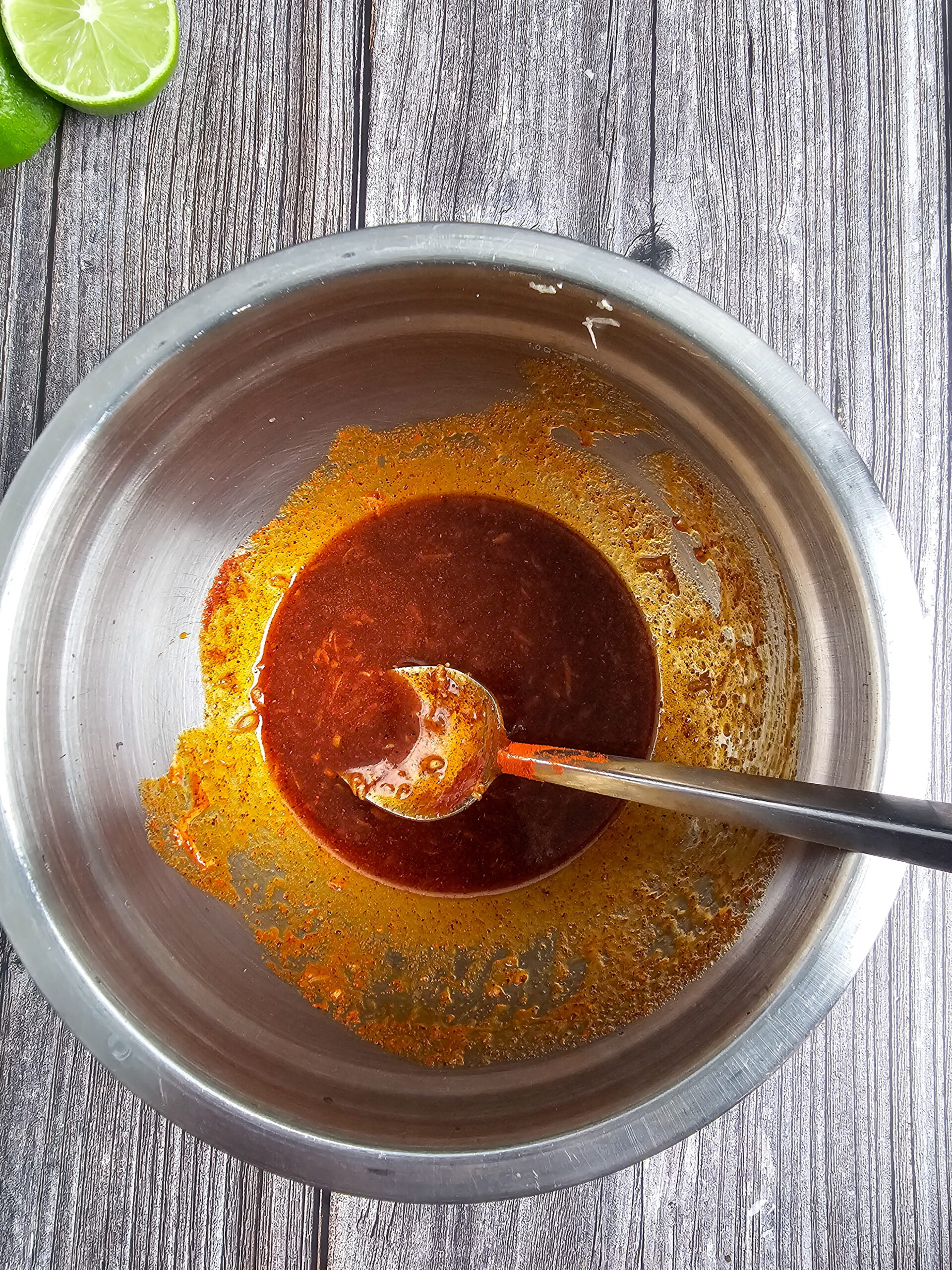
In a small bowl, whisk together the olive oil, honey, lime juice, lime zest, minced garlic, chili powder, smoked paprika, cayenne (if using), salt, pepper, and melted butter.

- Marinate the trout
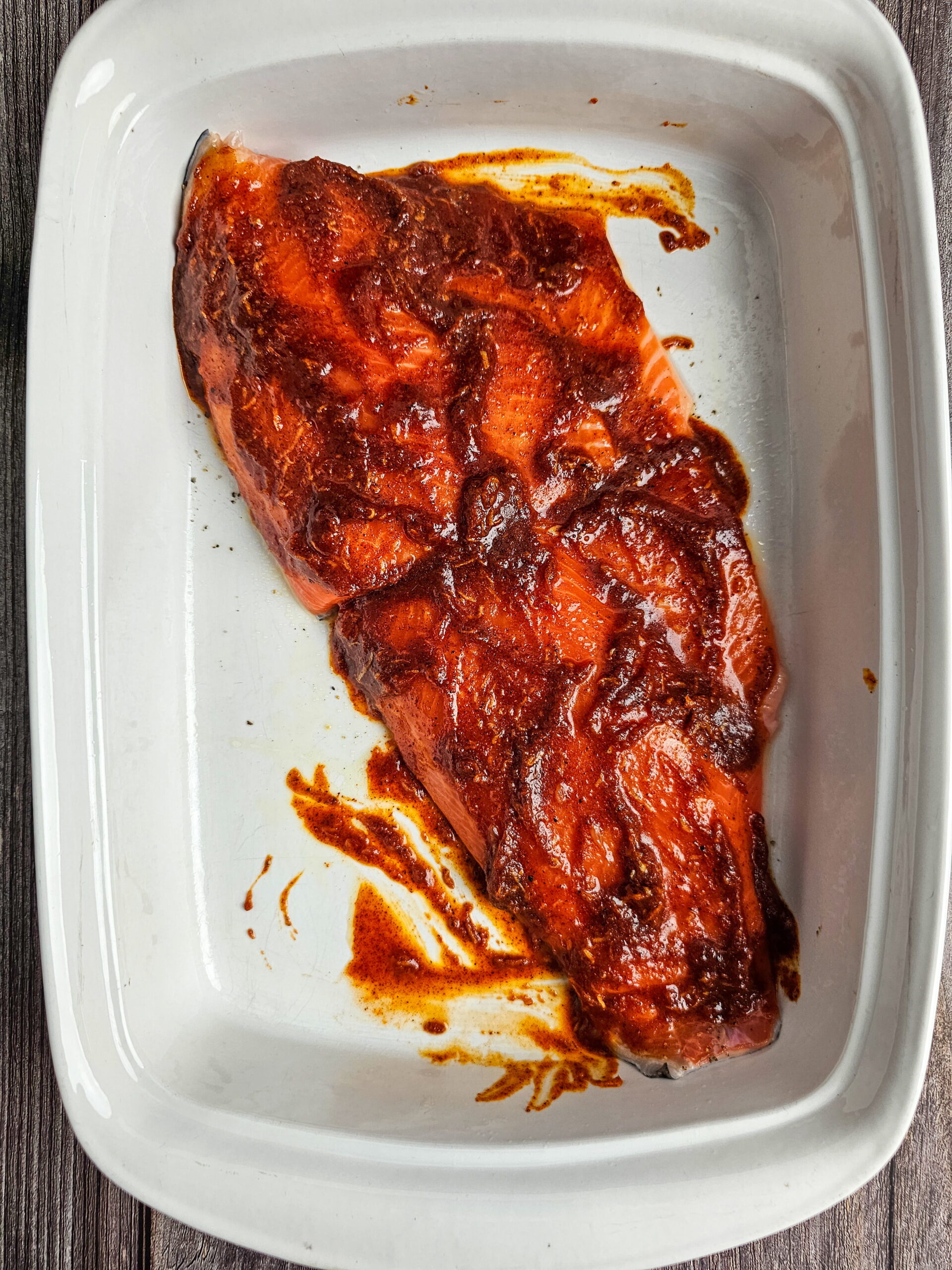
Pat the trout fillets completely dry with paper towels — this matters more than people think, since a wet surface keeps the glaze from adhering properly. Brush or spoon the marinade generously over each fillet. Let it sit at room temperature for 10 minutes if you have time; it’s optional, but the flavor noticeably deepens.
- Bake
Place the trout skin-side down (if skin-on) on the prepared baking sheet. Bake for 10 to 12 minutes, until the fish flakes easily with a fork but still looks moist, not dry.
- Broil to finish
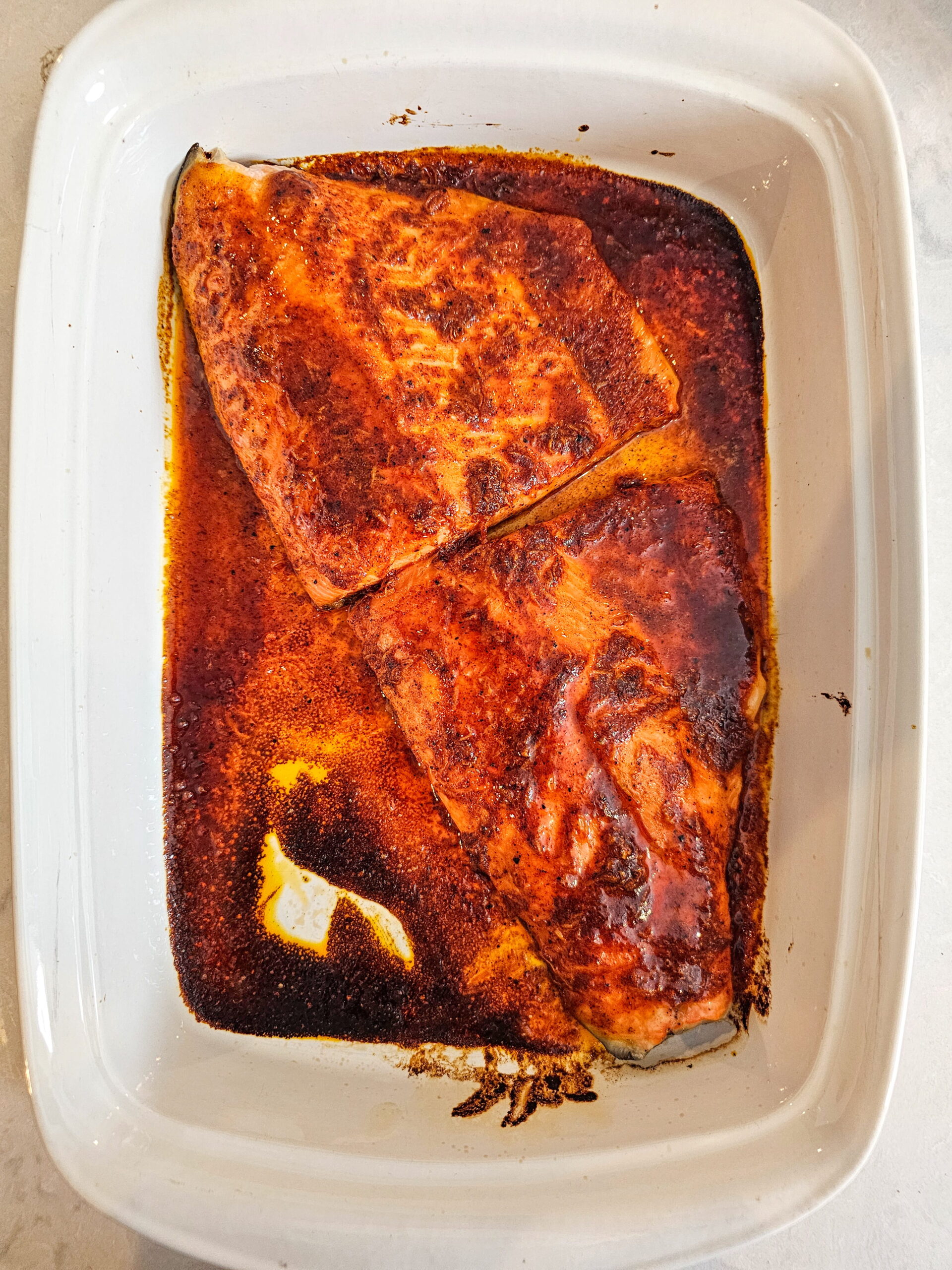
Switch your oven to broil for 1 to 2 minutes. Stay close and watch it — this step moves fast. You’re looking for the glaze to bubble, darken slightly, and take on a light caramelized sheen at the edges.
- Serve
Sprinkle with fresh cilantro and serve with lime wedges. Spoon any extra glaze from the pan over the top before serving.
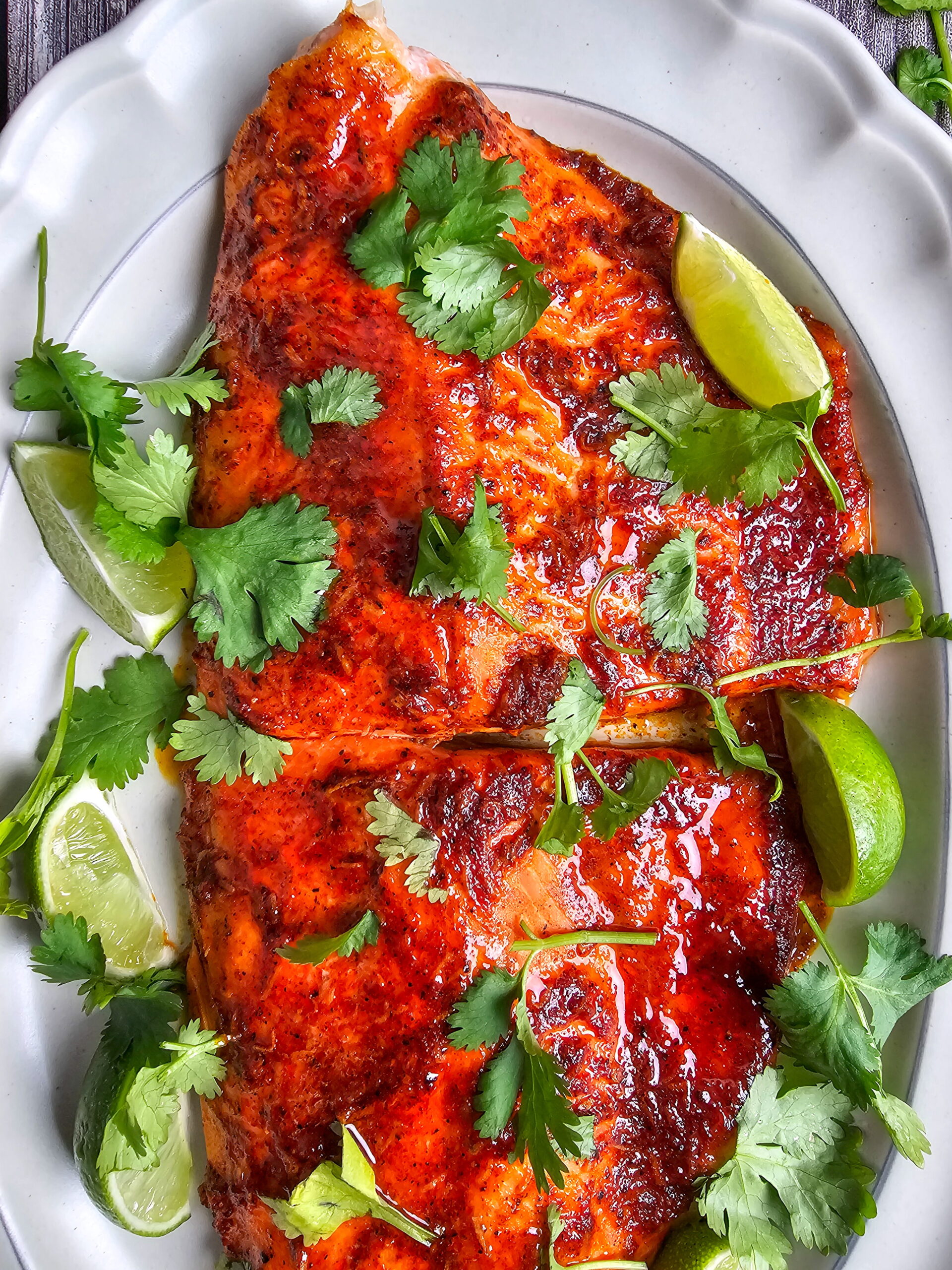
Why the Broiler Finish Matters
This is the step most chili-lime fish recipes skip, and it’s the one I’d argue matters most. Baking cooks the fish through and lets the glaze set, but it stays relatively flat and matte. The broiler applies direct, intense top-down heat for a short burst, which triggers the sugars in the honey to caramelize rather than just melt. You get a glossy, slightly tacky finish with visibly darker edges — the same effect you’d get finishing a glazed dish under a salamander broiler in a restaurant kitchen. Watch it closely; the line between caramelized and burnt is closer than you’d expect, especially with a sugar-based glaze like this one.
Variations and Cooking Methods
The chili lime glaze works across every cooking method — pick whichever fits your setup or the weather outside.
Air Fryer
Preheat your air fryer to 400°F. Place glazed fillets skin-side down in the basket, making sure they’re not overlapping. Cook for 8 to 10 minutes — no broil step needed since the air fryer already circulates intense heat from all sides. Start checking at 8 minutes because thinner fillets move fast. The edges will crisp up beautifully and the glaze will caramelize almost the same way the broiler does.
Pan-seared
Heat a cast iron or stainless skillet over medium-high heat with a thin layer of oil until shimmering. Add fillets skin-side up and sear for 3 to 4 minutes without moving them. Flip, spoon the glaze over the top, and cook another 2 to 3 minutes until the fish flakes and the glaze starts to caramelize in the pan. This method gives you the crispiest skin of any option here.
Grilled
Preheat your grill to medium-high and oil the grates well — trout sticks easily. Place fillets skin-side down and grill for 4 to 5 minutes, then brush the glaze generously over the top before flipping. Grill flesh-side down for another 2 to 3 minutes. The smoked paprika in the glaze picks up an extra dimension over live fire that the oven can’t quite replicate.
Spicy Version
The base recipe reads as warm and smoky rather than genuinely spicy. To add real heat, stir a teaspoon of sriracha or chili garlic sauce directly into the marinade before brushing it on, or add an extra quarter teaspoon of cayenne on top of the full amount already called for. You can also lay thin slices of fresh jalapeño directly on the fillets before they go into the oven — they roast down and mellow slightly while still delivering a noticeable kick.
Is Trout or Salmon Better for This Recipe
Both work, but they’re not identical. Trout — especially steelhead — is my first choice here. Its fat content is close to salmon, which means it holds up under the broiler without drying out and stays moist even if you leave it in a minute too long. Rainbow trout is leaner and milder, which actually makes it the better call if you’re cooking for people who find salmon too strong or too rich.
Salmon is a direct swap — just expect a slightly longer bake time (12 to 15 minutes instead of 10 to 12) because fillets tend to run thicker. The richer flavor plays well with the honey-butter glaze, and the extra fat gives you a little more forgiveness if you overshoot the cook time.
The real reason I reach for trout first is price. At most grocery stores it runs noticeably cheaper than salmon per pound — which is what got me cooking it in the first place. If both are sitting in the fish case, go with steelhead. If trout is significantly cheaper, grab it without hesitation. This glaze makes either one shine.
Frequently Asked Questions
Yes. Salmon is a direct substitute here — just note that it’s fattier than trout, so your bake time may run slightly longer depending on fillet thickness. Use the same visual cue: the fish should flake easily but still look moist.
Trout is done when it flakes easily with a fork and turns from translucent to opaque all the way through. An instant-read thermometer should register 145°F at the thickest part. Because trout fillets are thin, they cook quickly — start checking at the 10-minute mark so you don’t overshoot.
Yes. The marinade can be mixed up to 2 days in advance and stored in an airtight container in the fridge. Bring it to room temperature before brushing it on the fish so it spreads evenly.
Rainbow trout is smaller with a milder flavor and lighter pink flesh. Steelhead trout is a sea-run variety of the same species, with a deeper pink-orange color closer to salmon and a slightly richer taste. Both work in this recipe — steelhead will hold up marginally better under the broiler because of its higher fat content.
This usually means the marinade wasn’t reduced or thickened with enough honey and butter, or the fish wasn’t patted dry enough before brushing it on. A wet surface dilutes the glaze as it bakes.
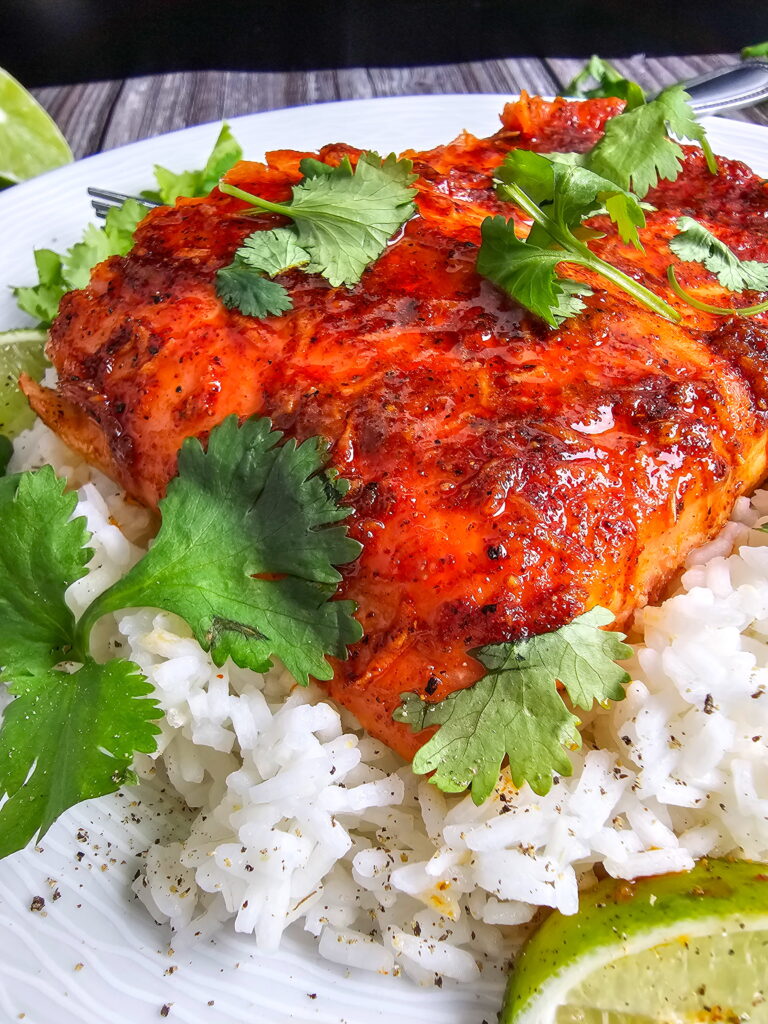
Tips for Perfect Baked Trout
- Pat the fillets completely dry before glazing. This is the step most people skip and it matters more than you’d think. A wet surface dilutes the glaze as it bakes, keeping it thin and runny instead of thick and sticky. Thirty seconds with a paper towel is the difference between a glaze that coats the fish and one that pools in the pan.
- Use a pastry brush, not a spoon, to apply the glaze. A spoon tends to push the spices into clumps and leaves uneven coverage. A brush distributes everything in a thin, even layer across the whole fillet so every bite gets the same balance of chili, lime, and honey.
- Don’t pull the fish the second it flakes. Trout continues cooking briefly after it comes out of the oven, so if it looks perfectly done when you open the door, it’ll be slightly overdone by the time it hits the plate. Pull it when it’s just barely opaque at the thickest part and let it rest for two minutes — it’ll finish on its own.
- Watch the broiler like it owes you money. The line between a beautifully caramelized glaze and a burnt one is about sixty seconds when honey and butter are involved. Don’t walk away, don’t check your phone. Stay at the oven door and pull the fish the moment the edges darken and the glaze starts to bubble and shine.
What to Serve with Chili Lime Trout
This dish has a lot going on flavor-wise — smoky, sweet, tangy, with a hit of heat if you went with the cayenne — so the best sides are ones that either cool things down or stay neutral enough to let the trout lead.
For something cooling: A black bean and corn salad with extra lime and a handful of diced avocado mirrors the chili-lime flavor without competing with it. A simple cucumber and red onion salad with a light vinegar dressing also works well here — the acidity cuts through the honey-butter richness.
For something starchy: Plain steamed rice or a cilantro-lime rice is the obvious move, but I’d also recommend roasted sweet potato wedges if you want something with a little char of its own. The natural sweetness of the potato plays well against the smoked paprika.
For something green: Roasted broccolini or asparagus with just olive oil, salt, and a squeeze of the same lime you used in the marinade ties the whole plate together without adding another competing flavor.
If you want to stretch it further: Leftover trout flakes beautifully into tacos the next day — warm corn tortillas, a quick slaw, and a drizzle of the reserved pan glaze turn this into a completely different meal with almost no extra work.
Storage and Reheating
Let any leftover trout cool to room temperature before storing — sealing it while it’s still warm traps steam and can make the texture go mushy. Store in an airtight container in the refrigerator for up to 2 days. Fish doesn’t hold up as well as meat over time, so I wouldn’t push much past that window.
To reheat, go low and slow: a 300°F oven for about 8 minutes is the gentlest option and keeps the fish from drying out. If you’re in a hurry, the microwave works at 50% power in 30-second bursts, checking in between — full power will overcook the edges before the center even warms through.
I don’t recommend freezing this particular recipe. The honey-butter glaze doesn’t freeze and thaw cleanly — it tends to separate and the texture turns watery once reheated. If you want a freezer-friendly trout option, a plain seasoned fillet without the glaze freezes much better; you can always add a fresh glaze after thawing.
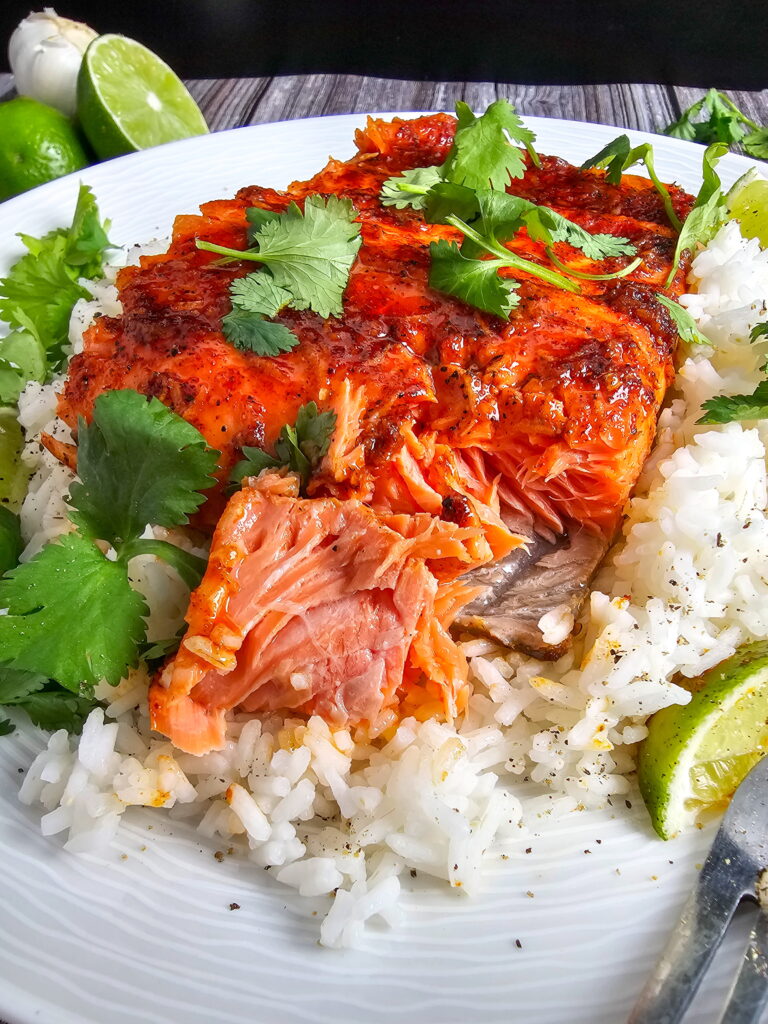
A Note on Sourcing Your Trout
If you have the option, look for steelhead trout over standard rainbow trout for this particular recipe — its higher fat content holds up slightly better under the broiler and gives you a touch more richness against the bright citrus and chili. That said, rainbow trout works perfectly well and is usually the more widely available and budget-friendly option at most grocery stores. Either way, look for fillets that smell clean and oceanic, not fishy, and flesh that springs back lightly when pressed — both are good indicators of freshness regardless of which variety you choose.
More Seafood Recipes You’ll Love
Another fast weeknight fish dinner with a bold garlic and butter pan sauce, ready in under 30 minutes.
If you loved the sweet-savory glaze on this trout, this shrimp version hits a similar note with an Asian-inspired twist.
For when you want seafood with a little more indulgence on a weekend, this rich pasta is the move.
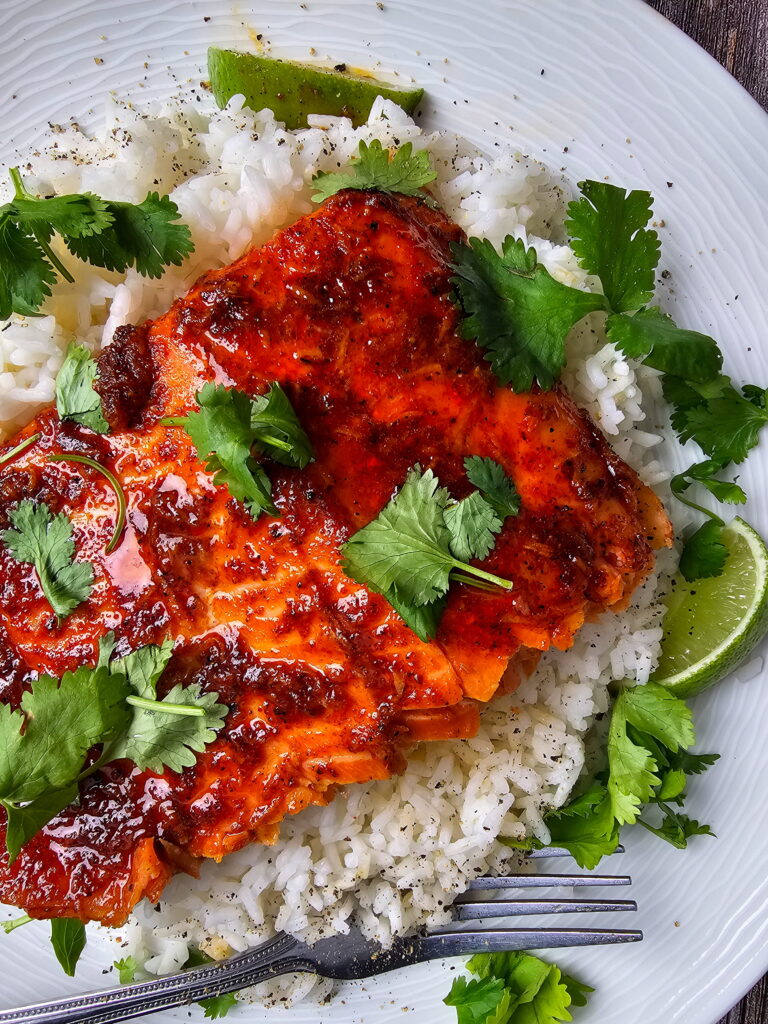
Final Thoughts
This recipe earns its place in my regular rotation because it manages to feel a little special without asking much of you on a weeknight. The honey-butter glaze, the fresh garlic instead of the jar stuff, and that last minute under the broiler are small, deliberate choices — none of them difficult, but together they’re the difference between fish that’s just cooked and fish that actually tastes like you meant it.
If you make this, I’d genuinely love to know in the comments whether you went for the cayenne or kept it mild, and whether you tried it with rainbow or steelhead trout. And if you’re tempted to skip the broiler step because you’re hungry and the fish already looks done — don’t. That’s the step that makes it worth making again.
Chili Lime Trout with Honey Glaze – Broiled & Smoky
Ingredients
- 4 trout fillets (6-8 oz)
- 2 tbsp olive oil
- 2 tsp honey
- 2 tbsp lime juice
- 1 zest lime
- 1 clove garlic minced
- 1 tsp chili powder
- ½ tsp smoked paprika
- ¼ tsp cayenne pepper
- 1 tsp kosher salt
- ½ tsp black pepper
- 1 tbsp butter (melted)
Garnish
- Fresh cilantro chopped
- Lime wedges
Instructions
- Preheat your oven to 400°F (200°C). Line a baking sheet with foil or parchment paper.
- In a small bowl, whisk together the olive oil, honey, lime juice, lime zest, minced garlic, chili powder, smoked paprika, cayenne (if using), salt, pepper, and melted butter.
- Pat the trout fillets completely dry with paper towels — this matters more than people think, since a wet surface keeps the glaze from adhering properly. Brush or spoon the marinade generously over each fillet. Let it sit at room temperature for 10 minutes if you have time; it’s optional, but the flavor noticeably deepens.
- Place the trout skin-side down (if skin-on) on the prepared baking sheet. Bake for 10 to 12 minutes, until the fish flakes easily with a fork but still looks moist, not dry.
- Switch your oven to broil for 1 to 2 minutes. Stay close and watch it — this step moves fast. You’re looking for the glaze to bubble, darken slightly, and take on a light caramelized sheen at the edges.
- Sprinkle with fresh cilantro and serve with lime wedges. Spoon any extra glaze from the pan over the top before serving.